
Best Places to Visit in Guwahati, Assam: Top Tourist Attractions & Travel Guide
Guwahati, the largest city in Assam and a major gateway to Northeast India, is a destination that combines spirituality, the Brahmaputra River, wildlife, culture and nature.
Whether you are visiting Guwahati for the first time, planning a family holiday, looking for peaceful places to explore, or using the city as a base for a longer Assam trip, there are plenty of places worth adding to your itinerary.
From the famed Kamak2hya temple situated on the Nilachal Hill and the small island of Umananda to the wildlife at the Assam State Zoo and the serene wetland of Deepor Beel, Guwahati has much more in its kitty apart from being a transit point.
In this guide, Rehnama brings you the best places to visit in Guwahati, Assam, along with what makes each place special, who should visit, and practical planning tips.
Quick Overview: Best Places to Visit in Guwahati
| Place | Best For | Recommended Time |
|---|---|---|
| Kamakhya Temple | Spirituality & culture | 2–4 hours |
| Umananda Temple & Island | Temple, river & sightseeing | 2–3 hours |
| Assam State Zoo cum Botanical Garden | Wildlife & families | 3–4 hours |
| Deepor Beel | Nature & birdwatching | 2–3 hours |
| Srimanta Sankaradeva Kalakshetra | Assamese culture | 2–3 hours |
| Assam State Museum | History & heritage | 1–2 hours |
| Guwahati Planetarium | Science & family activities | 1–2 hours |
| Regional Science Centre | Interactive learning | 2–3 hours |
| Basistha Temple | Spirituality & nature | 1–2 hours |
| Purva Tirupati Sri Balaji Temple | Architecture & spirituality | 1–2 hours |
| Brahmaputra Riverfront | River views & evening | 1–2 hours |
| ISKCON Guwahati | Peace & spirituality | 1–2 hours |
1. Kamakhya Temple
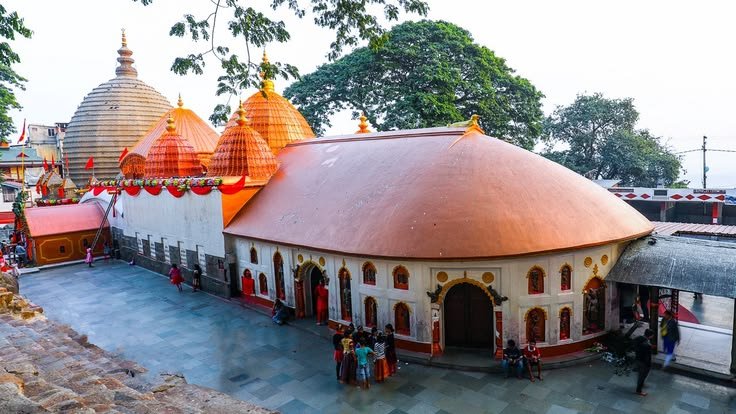
Kamakhya Temple is the most popular religious site in Guwahati and among the most important Shakti temples in India. The temple is situated on the top of Nilachal Hill and is linked to Goddess Kamakhya, who is one of the 51 Shakti Peethas of India.
The temple is particularly significant for its Tantric traditions and the annual Ambubachi Mela, held around June. During the festival, large numbers of devotees and pilgrims visit Guwahati.
The temple complex also includes shrines associated with the Dasha Mahavidyas, adding to its religious and cultural importance.
Why visit Kamakhya Temple?
- One of India’s major Shakti pilgrimage destinations
- Important centre of Assamese religious culture
- Located on Nilachal Hill
- Panoramic views of parts of Guwahati from the hill
- Especially significant during Ambubachi Mela
2. Umananda Temple and Umananda Island
For a completely different Guwahati experience, head towards Umananda Island, a small river island in the Brahmaputra.
The island is home to Umananda Temple, a Shiva temple surrounded by the waters of the Brahmaputra. Reaching the island by boat is part of the experience itself.
The combination of the river, temple and surrounding landscape makes Umananda one of the most memorable places to visit in Guwahati.
Why visit Umananda Island?
- Boat ride across the Brahmaputra
- Historic Shiva temple
- River views
- Peaceful island atmosphere
- Good option for photographers and first-time visitors
Allow around 2–3 hours for the island visit, including the boat journey and time at the temple.
3. Assam State Zoo cum Botanical Garden
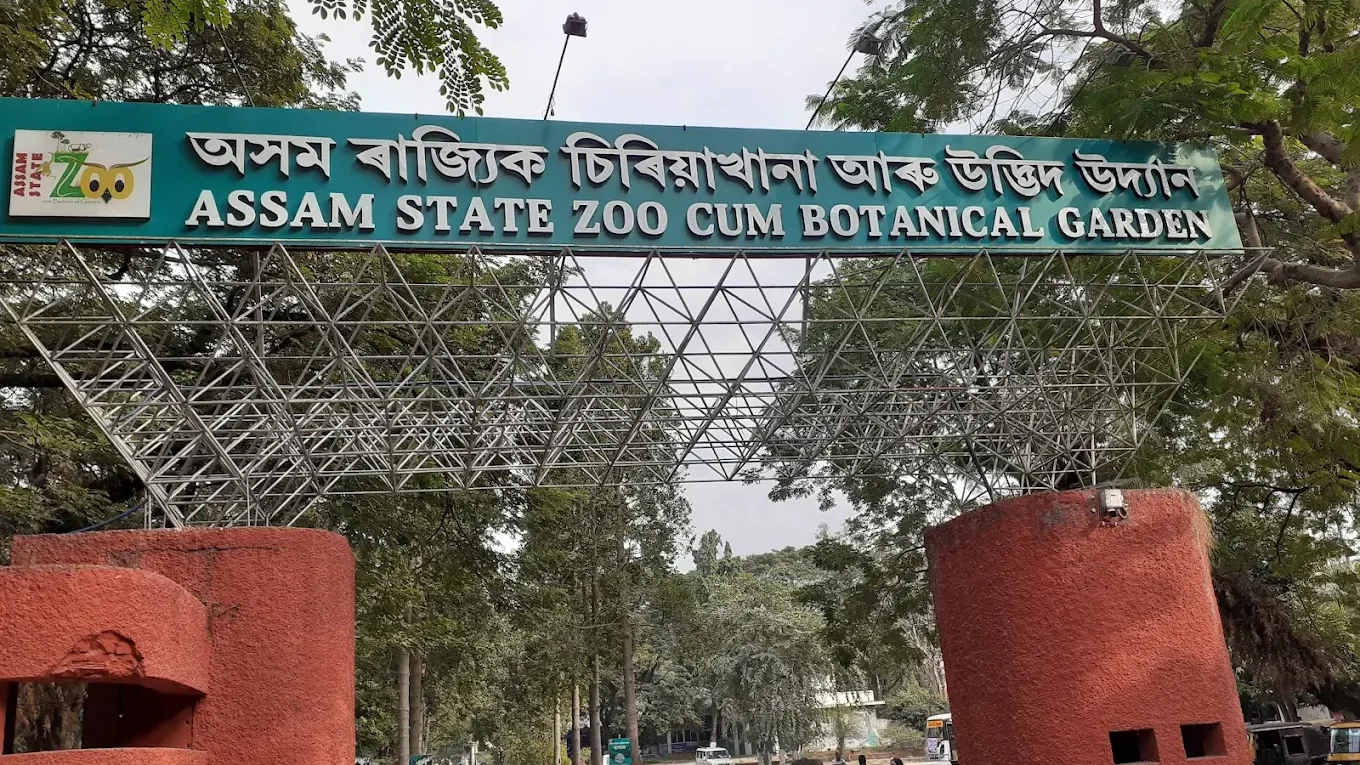
If you happen to be visiting Guwahati with kids or if you love watching animals, then the Assam State Zoo cum Botanical Garden is certainly a must-visit place for you.
There is a wide range of animals found here, including different kinds of mammals, reptiles, and birds. It has been stated that the Assam State Zoo is the biggest zoo in Northeast India, according to Assam Tourism.
You may see animals such as rhinoceros, tigers, leopards, elephants and several species of birds and reptiles.
Why visit Assam State Zoo?
- Good family attraction
- Wildlife viewing
- Botanical surroundings
- Educational experience for children
- One of Guwahati’s major sightseeing attractions
Assam Tourism notes that the zoo is closed on Fridays and recommends winter as a particularly comfortable season for exploring the surroundings.
Before visiting, check the latest official opening hours and ticket information because these can change.
4. Deepor Beel

For those interested in the nature of Guwahati, Deepor Beel would certainly be worth their time.
Deepor Beel, which can also be written as Dipor Beel, is a freshwater wetland situated southwest of Guwahati. This area became the site of the Ramsar Convention in 2002 because of its ecological significance.
This wetland serves as a habitat for various resident and migratory birds and contributes to the ecological landscape of Guwahati. It is also noted by governmental sources that wild elephants from the Rani-Garbhanga forest landscape come to this area.
Why visit Deepor Beel?
- Birdwatching
- Nature photography
- Peaceful landscape
- Wetland ecosystem
- Opportunity to experience Guwahati’s biodiversity
Important travel tip
Deepor Beel is an ecologically sensitive area. Visitors should avoid littering, disturbing birds and wildlife, or entering restricted areas.
For birdwatching, early morning is generally a better time for observing activity.
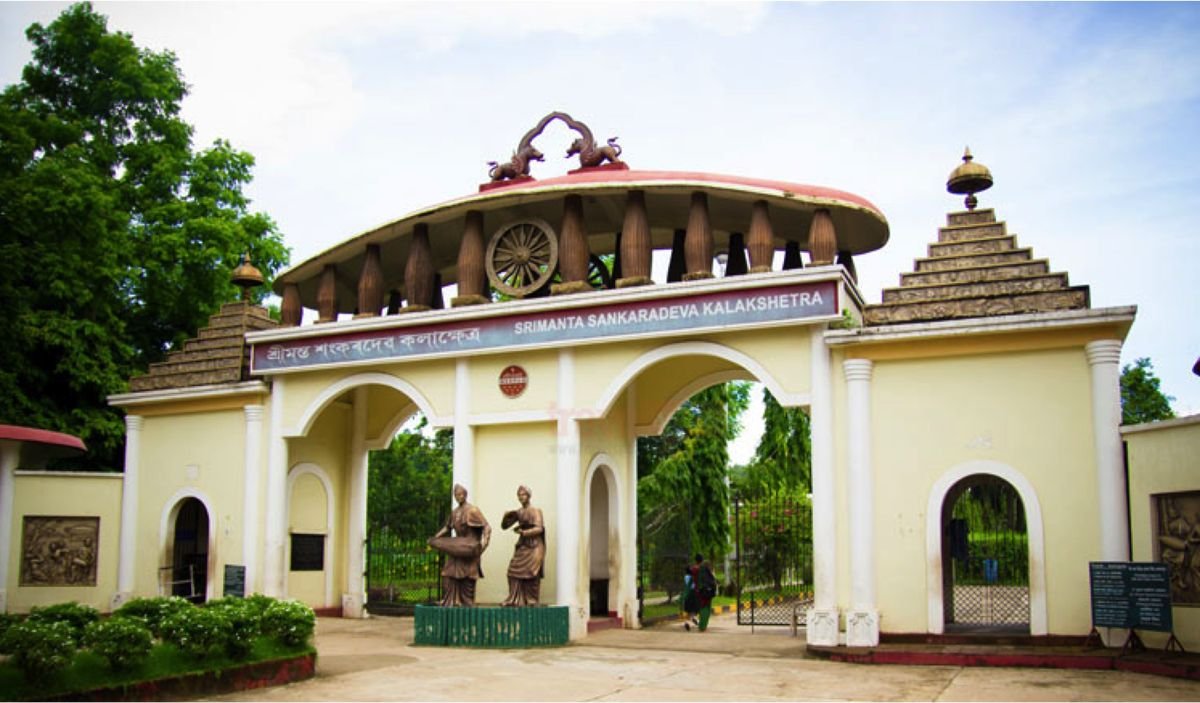
5. Srimanta Sankaradeva Kalakshetra
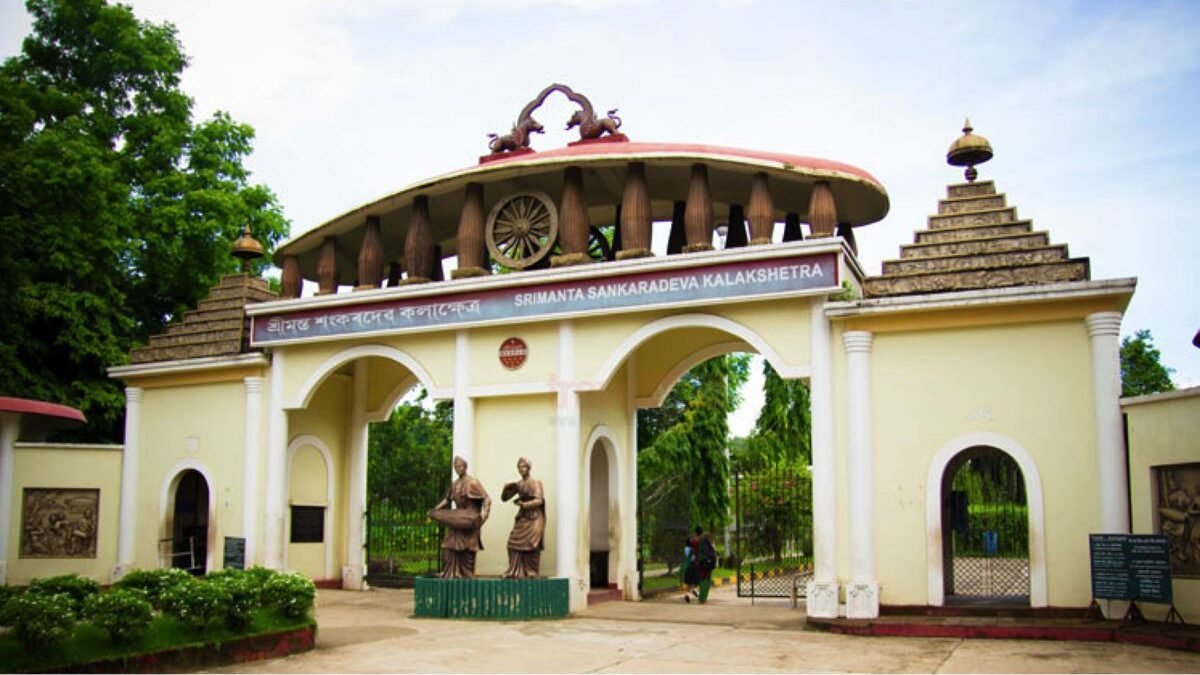
To understand Assam beyond its landscapes, visit Srimanta Sankaradeva Kalakshetra.
Named after the influential Assamese saint-scholar Srimanta Sankardeva, the cultural complex showcases aspects of Assam’s art, literature, culture and heritage.
It is a useful stop for travellers who want more than temples and scenic viewpoints.
What can you experience?
- Assamese cultural heritage
- Traditional art and architecture
- Museums and exhibitions
- Cultural performances and programmes
- Insight into Assam’s history and traditions
The complex is particularly worthwhile for first-time visitors who want to understand the cultural identity of Assam.
6. Assam State Museum
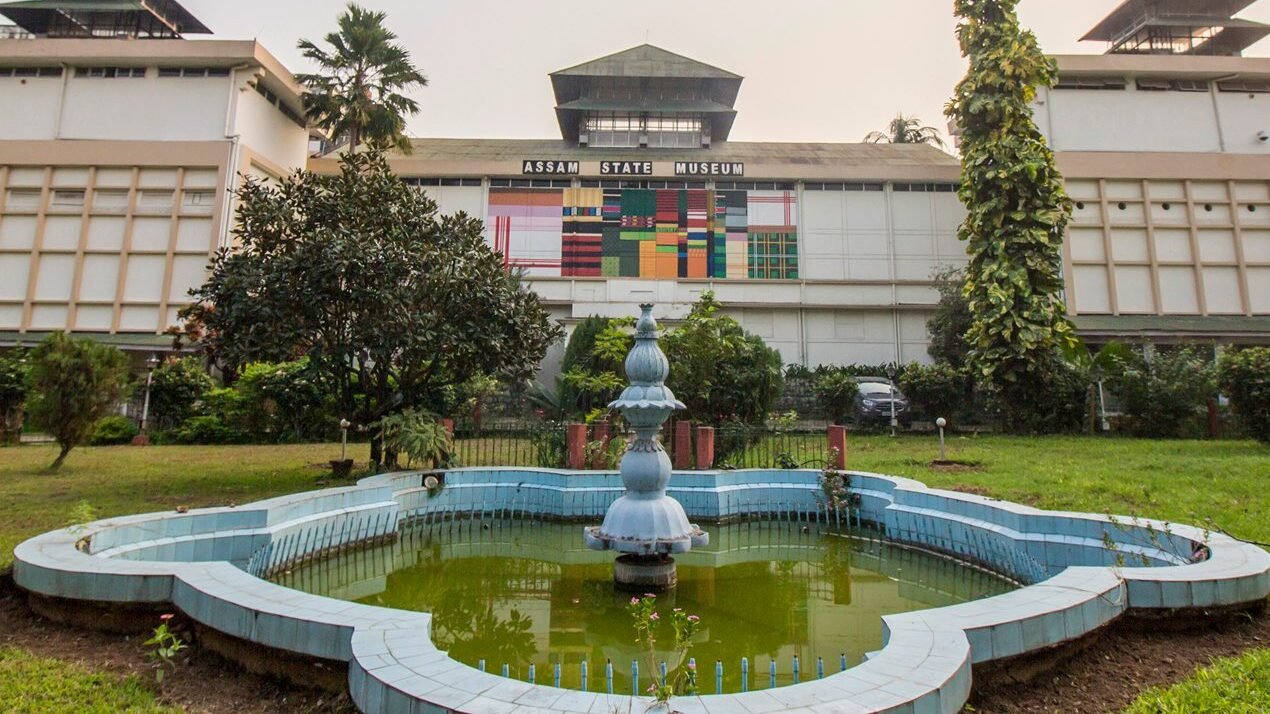
Situated in the heart of Guwahati, the Assam State Museum is an ideal place to know about the history and cultural background of this region.
Rather than just going for sightseeing, spend some time in this place to know about the archaeological, historical and cultural background of Assam.
Why visit Assam State Museum?
- Historical artefacts
- Assamese cultural heritage
- Archaeological collections
- Traditional objects and displays
- Good option for history lovers
If you are interested in understanding the story behind Assam’s temples, traditions and communities, the museum adds useful context to your trip.
7. Guwahati Planetarium
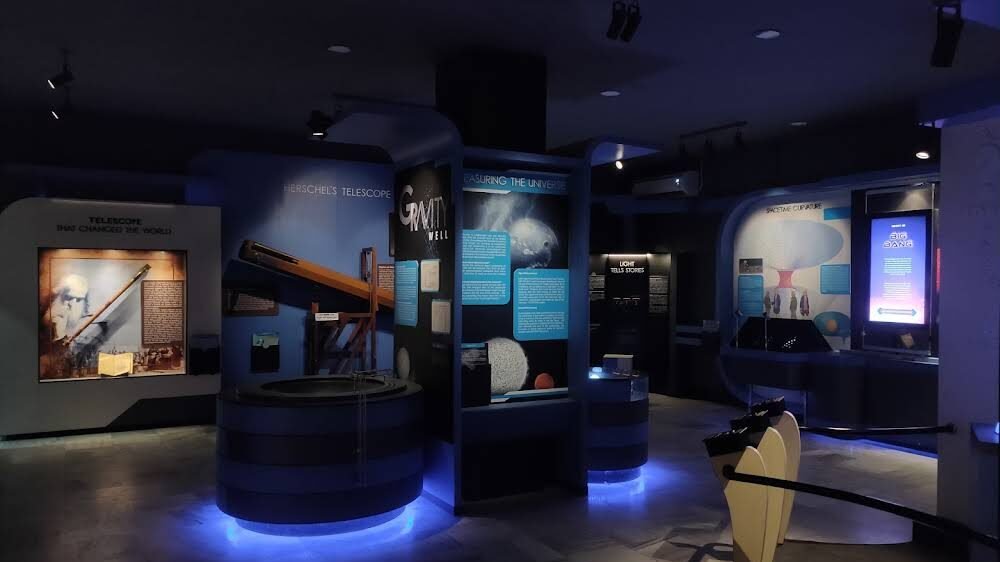
For families and anyone interested in astronomy, the Guwahati Planetarium is another place worth considering.
It offers an educational experience centred around astronomy and space science. It can be especially useful when travelling with children because it adds something different to a traditional sightseeing itinerary.
Best for
- Families
- Children
- Students
- Astronomy enthusiasts
- Educational trips
Check the current show schedule before visiting because programmes and timings can vary.
8. Regional Science Centre, Guwahati
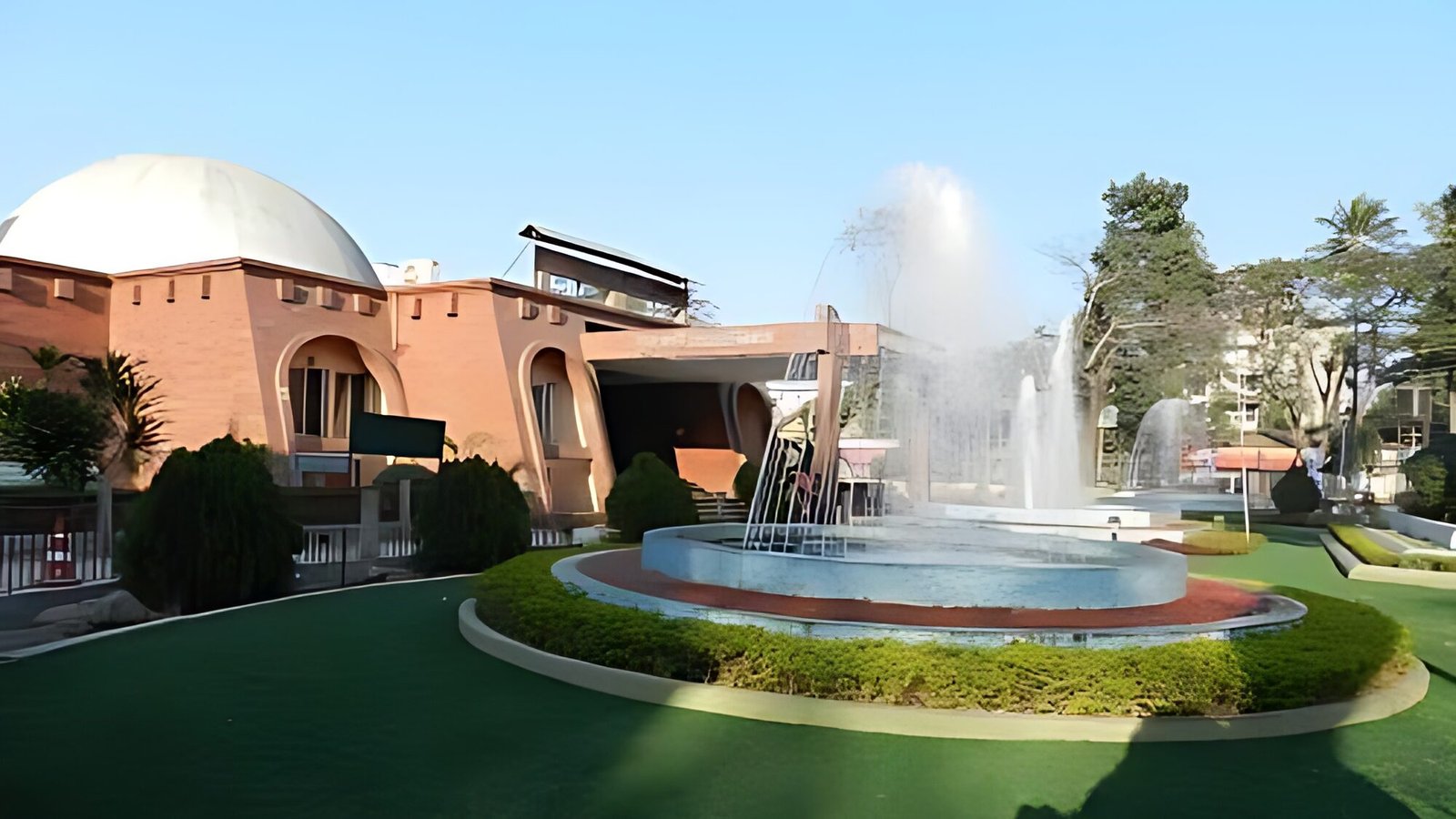
The Regional Science Centre located in Khanapara is also a family destination with interactive exhibits and activities based on science.
Unlike a traditional museum, the centre focuses more on hands-on and interactive learning.
Why visit?
- Interactive exhibits
- Science demonstrations
- Educational activities
- Good for children
- Indoor option during hot or rainy weather
It can be combined with other attractions in the Khanapara area to make better use of your sightseeing time.
9. Basistha Temple
Basistha Temple, situated in the southeast region of Guwahati, is a religious and natural tourist spot.
The temple is named after the sage Vashistha, and the surroundings have streams and vegetation which differentiate it from other urban destinations in Guwahati.
Why visit Basistha Temple?
- Religious significance
- Natural surroundings
- Peaceful atmosphere
- Short escape from the busy city
- Suitable for travellers interested in temples and nature
It is a good addition to a half-day Guwahati itinerary, especially if you want to combine sightseeing with a quieter environment.
10. Purva Tirupati Sri Balaji Temple
The Purva Tirupati Sri Balaji Temple is one of the modern temples of Guwahati.
It is a temple that worships Lord Venkateswara and has architecture inspired by South India.
Why visit?
- Temple architecture
- Peaceful atmosphere
- Religious significance
- Photography
- Different architectural styles within Guwahati
You can include it with other attractions in a city sightseeing day.
11. Brahmaputra Riverfront
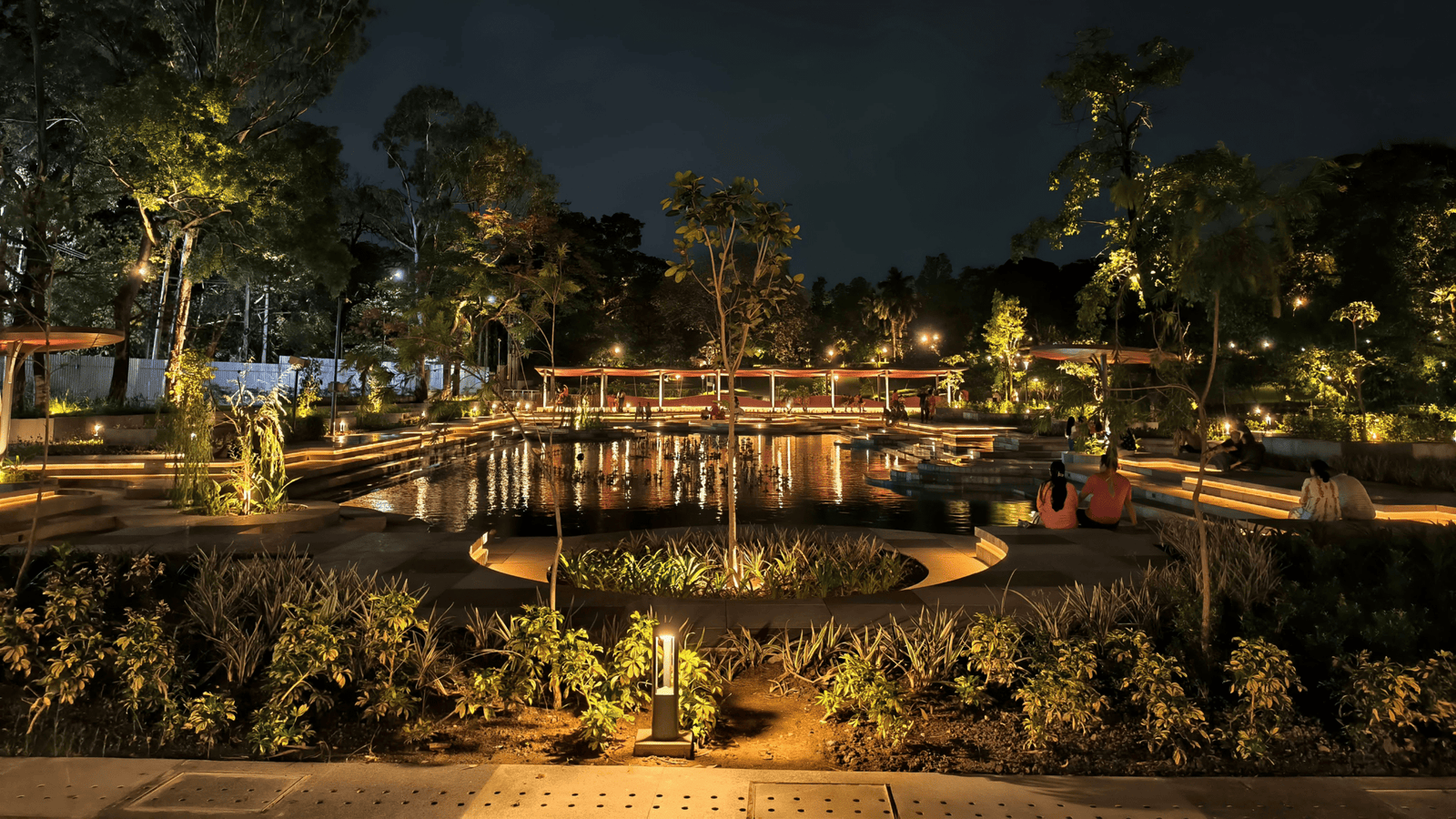
The Brahmaputra River is one of the most defining aspects of Guwahati. It is thus important to spend some time at the river during your first visit to the place.
Visiting viewpoints at the river will help you enjoy the sheer size of the Brahmaputra.
One can visit the Brahmaputra River Heritage Centre situated in Pan Bazaar in order to learn more about the river and its connection with Guwahati.
Best things to do
- Watch the sunset
- Enjoy river views
- Take photographs
- Learn about the Brahmaputra’s role in the region
- Relax after a day of sightseeing
The river can look dramatically different depending on the season and weather, so always follow local safety advice when near the water.
12. ISKCON Guwahati
ISKCON Guwahati is yet another religious location in the city that is quiet and peaceful.
It is a temple dedicated to Lord Krishna and offers a spiritual vibe. It can be an ideal spot to unwind after visiting the busy spots of the city.
Best for
- Spiritual visitors
- Peaceful surroundings
- Temple architecture
- Families
- Visitors interested in Vaishnavite traditions
Best Time to Visit Guwahati
The best time to visit Guwahati depends on what you want to do.
October to April
This is usually the most convenient time for sightseeing since the weather is relatively ideal for sightseeing outdoors.
The winters are often enjoyable for sightseeing, and the Assam State Zoo visit has been especially recommended by Assam Tourism in winter.
Monsoon: June to September
Guwahati experiences a significant amount of rainfall during the monsoon season. The climate is green due to the rains and can impact your sightseeing plans.
If you are visiting during the monsoon, keep some flexibility in your itinerary.
Summer: April to June
It can get hot and humid at times, especially in the daytime. Ensure that you begin your outdoor sightseeing early morning wherever possible.
How Many Days Are Enough for Guwahati?
For a first visit, 2 to 3 days is a practical amount of time.
1 Day in Guwahati
If you have only one day:
Morning: Kamakhya Temple
Afternoon: Assam State Museum or Umananda Island
Evening: Brahmaputra riverfront
This is a fast itinerary, so you should not try to cover every attraction.
2 Days in Guwahati
Day 1
- Kamakhya Temple
- Assam State Museum
- Umananda Island
- Brahmaputra riverfront
Day 2
- Assam State Zoo
- Srimanta Sankaradeva Kalakshetra
- Basistha Temple
- Evening at a local market or restaurant
3 Days in Guwahati
A third day gives you more flexibility.
You can add:
- Deepor Beel
- Regional Science Centre
- Guwahati Planetarium
- ISKCON Guwahati
- Purva Tirupati Sri Balaji Temple
You can also consider using the third day for a nearby excursion such as Pobitora Wildlife Sanctuary.
How to Reach Guwahati
By Air
Lokpriya Gopinath Bordoloi International Airport (LGBI Airport) is Guwahati’s main airport and an important gateway to Northeast India.
The airport has connections with major Indian cities, making Guwahati convenient to reach from different parts of the country.
By Train
Guwahati Railway Station is one of the major railway stations in Northeast India.
Rail connectivity makes Guwahati accessible from several major Indian cities.
By Road
Guwahati has road connections with several cities and towns across Assam and neighbouring northeastern states.
For travellers continuing towards destinations such as Shillong, road travel from Guwahati is particularly common.
Local Transportation in Guwahati
You can use several types of transport to explore the city, including:
- App-based cabs
- Taxis
- Auto-rickshaws
- City buses
- Hired cars for day trips
For a sightseeing-heavy itinerary, hiring a car for the day can be more convenient because Guwahati’s attractions are spread across different parts of the city.
For Umananda Island, you will need to arrange a boat crossing to reach the island.
Travel Tips for Visiting Guwahati
1. Start early
Popular attractions can become busy later in the day. Starting early also helps you avoid the strongest daytime heat.
2. Check temple timings
Religious sites may have different opening periods, rituals and visitor arrangements. Kamakhya Temple, for example, follows a daily ritual schedule with changes in visitor access throughout the day.
3. Keep extra time for traffic
Guwahati is a busy metropolitan city. Don’t create an itinerary with attractions on opposite sides of the city back-to-back without allowing enough travel time.
4. Respect religious places
Dress appropriately and follow photography restrictions and local instructions at temples.
5. Protect the environment
Places such as Deepor Beel are ecologically important wetlands. Avoid plastic waste, loud behaviour and disturbing birds or wildlife. Deepor Beel is also subject to conservation measures under Assam’s wetland protection framework.
6. Check current information before travelling
Opening hours, ticket prices, boating arrangements, festivals and visitor rules can change. Confirm details with the relevant official authority before your trip.
Final Thoughts
Guwahati is more than a gateway to Northeast India. It is a destination in its own right, combining sacred temples, the mighty Brahmaputra, wildlife, wetlands, museums and Assamese culture.
For a first trip, Kamakhya Temple, Umananda Island, Assam State Zoo, Deepor Beel and Srimanta Sankaradeva Kalakshetra are among the places that best represent different sides of the city.
If you have only one or two days, don’t try to visit everything. Choose attractions according to your interests and group nearby places together. If you have more time, use Guwahati as a base for exploring other destinations in Assam and the wider Northeast.
Guwahati is best experienced at a relaxed pace — one temple, river view, cultural site and natural landscape at a time.